Concrete & Slab Leveling in Huntsville, AL
That sunken slab in your driveway isn't just ugly - it's a trip hazard, a water-pooling spot, and a gap that gets worse every wet season. The fix is faster than most people expect: leveling lifts existing concrete back into place, usually in hours, at a fraction of the cost of tearing it out and repouring.
Foundation Repair of Huntsville levels driveways, sidewalks, patios, garage floors, and interior slabs across Huntsville.
What We Level
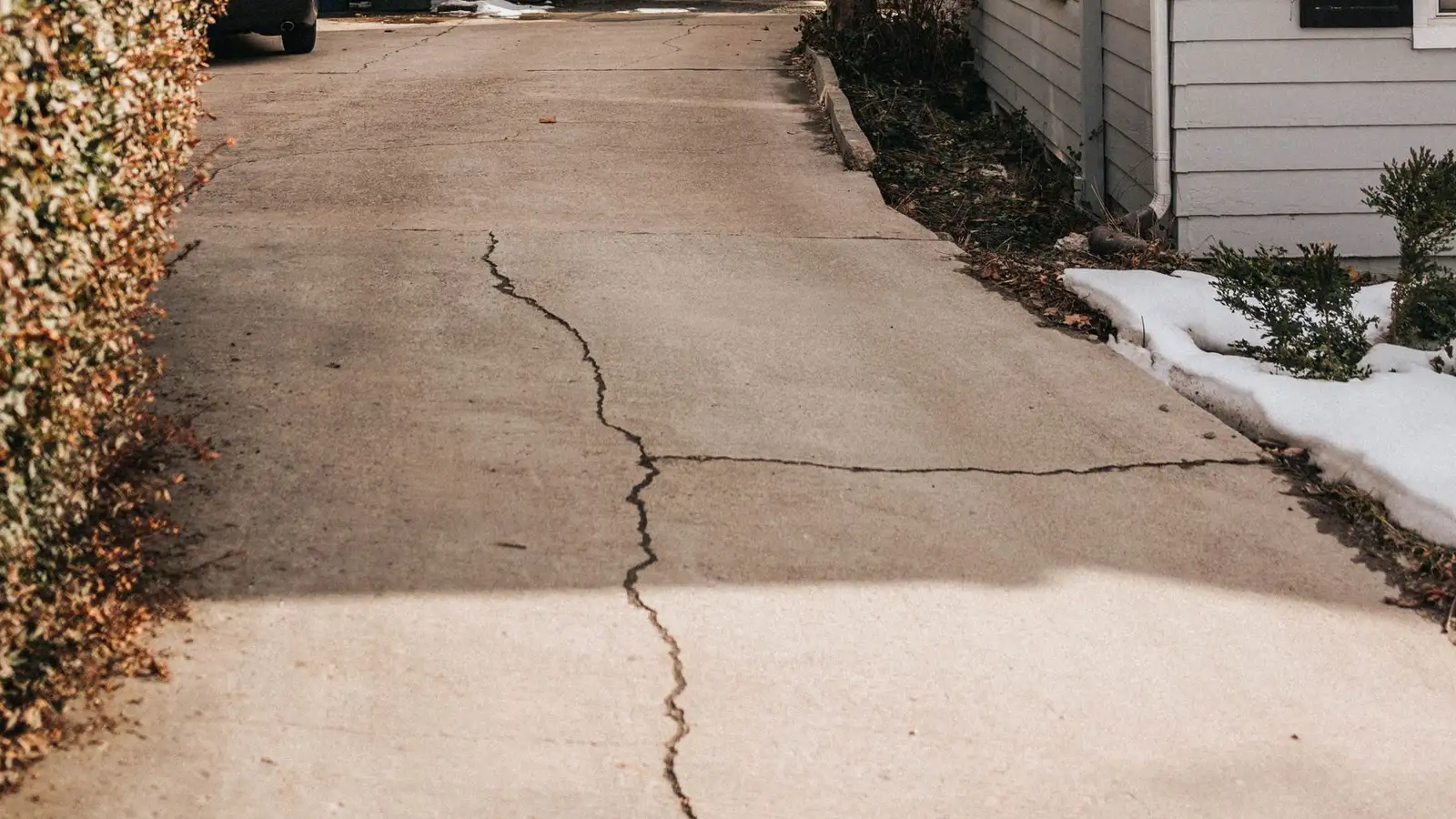
- Driveways and driveway aprons - sunken sections and raised trip edges at the joints
- Sidewalks and walkways - uneven panels that catch toes and hold puddles
- Patios and pool decks - slabs tilting toward the house (sending rainwater at your foundation - the wrong direction)
- Garage floors and interior slabs - settled sections and slab-on-grade floors
- Steps and stoops - front steps pulling away from the porch
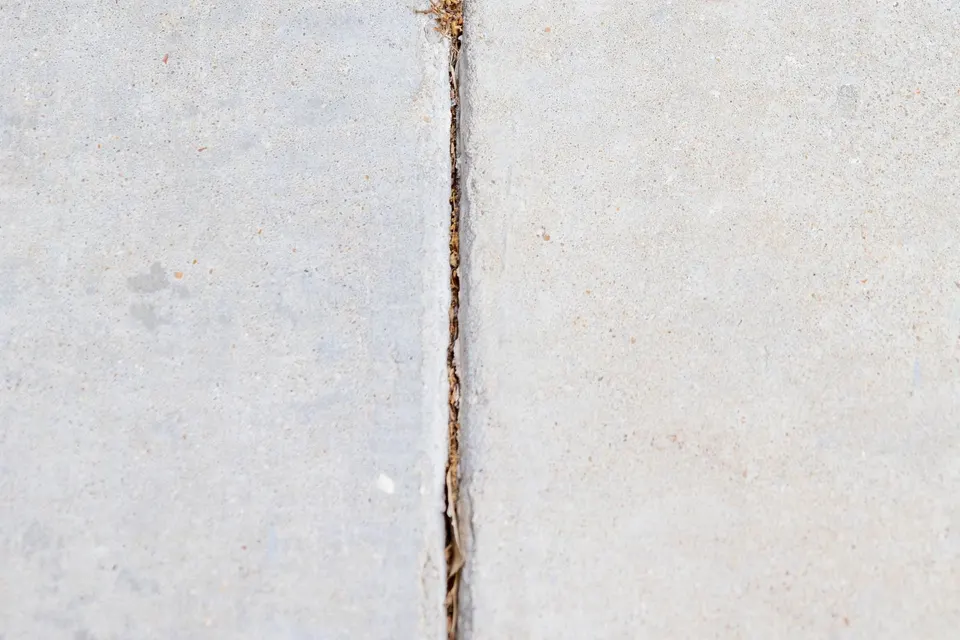
If the concrete that's sinking is your home's slab foundation itself - with cracks in walls or sticking doors upstairs - that's a structural settlement question, not just a cosmetic one. Start with a free foundation inspection, and see foundation crack repair for what those wall cracks mean.
Why Concrete Sinks in Huntsville
Concrete doesn't sink; the ground under it does. North Alabama's clay-rich Limestone Valley soils (as classified by the Alabama Cooperative Extension System) shrink in dry spells and swell in wet ones, and poorly compacted fill under a slab settles over the years. Water does the rest - washing out soil beneath the slab edge, especially where downspouts dump rain right beside the concrete. Eventually the slab is bridging a void, and concrete is terrible at bridging. It cracks, tilts, and drops.
How Leveling Works: Foam vs. Mudjacking
Polyurethane foam lifting. Small (penny-sized) holes are drilled in the slab, and expanding structural foam is injected underneath. The foam fills the void, then expands with enough controlled force to lift the slab back to grade. Cured within minutes, lightweight, and the holes patch nearly invisibly. This is the modern standard for most residential work.
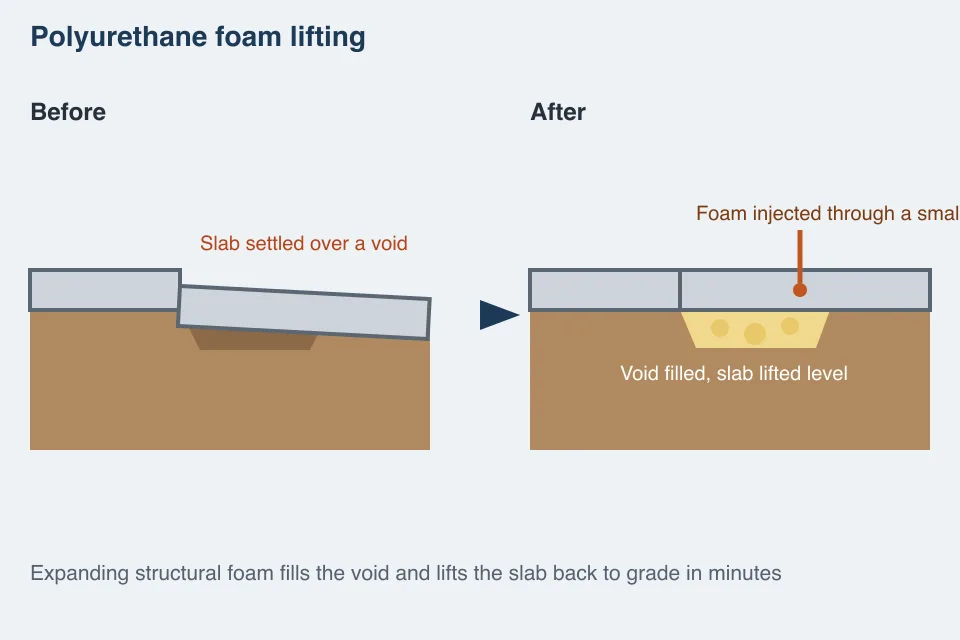
Mudjacking (slurry lifting). The traditional method: a sand-cement slurry pumped under the slab through larger holes. It still has its uses and can cost less up front, but it's heavier (adding weight to soil that already sank once), cures slower, and leaves bigger patch marks.
We'll recommend the right method for your slab and soil - and explain why, in plain terms, on your written estimate.
When leveling isn't the answer: concrete that's shattered into small pieces, or badly deteriorated on the surface, is usually better replaced. If that's what we find, we'll tell you rather than lift concrete that won't survive the ride.
Get my free leveling estimate
Request a Free EstimateConcrete Leveling Companies Near You, and What to Ask Them
Two trades will answer the phone when your driveway has dropped an inch: leveling specialists, and concrete contractors whose main business is pouring new slabs. Both are legitimate. They have different instincts about your slab.
Ask two questions. First: is this slab a candidate for lifting, or is it too far gone to save? Sometimes the honest answer is replacement, and you want a company willing to say so. Second: what is under it now, and will the void come back? Lifting a slab without dealing with the washout underneath is a repair with an expiry date on it.
Frequently Asked Questions
How much does concrete leveling cost?
Far less than replacement in most cases. Nationally, Angi's data (updated August 2026) puts mudjacking and slabjacking at $500 to $1,300, while tearing out and repouring the same slab costs several times that. The price depends on slab size and how much void is underneath; your free estimate puts it in writing.
How soon can I walk or drive on leveled concrete?
With polyurethane foam, the material cures in minutes - most slabs are ready for foot traffic immediately and vehicles the same day. Mudjacking slurry needs a day or more to cure. We'll give you exact guidance for your job.
Why does my driveway keep sinking?
Usually water. If soil keeps washing out from under the slab - often thanks to roof runoff or poor drainage - any lift will be temporary until the water problem is fixed. A good leveling job includes finding out where the soil went, and we'll point out the drainage fix while we're there.
Is foam strong enough to hold a driveway?
Yes - structural lifting foams are engineered for exactly this and support loads far beyond residential vehicle traffic once cured. It's the same class of approach used under roads and warehouse floors.
Leveling or replacement - how do I choose?
Level when the concrete is structurally sound but sitting wrong; replace when the slab itself is destroyed. Leveling wins on cost, speed, and keeping your existing concrete color. An honest estimate tells you which side of the line your slab is on - and yes, the inspection that answers it is free.
Why does concrete leveling cost more than it looks like it should?
Because you're paying for what happens under the slab, not for the slab. The material has to go in at the right points, in the right order, in measured lifts, so the concrete rises level instead of cracking apart. That takes equipment, product, and someone who has done it often enough to read how a slab is responding while it moves. Set against tearing out and repouring, it still usually comes out well ahead, which is the comparison that actually matters.
Get Your Slab Back on the Level
We can't promise the rest of your week will be this easy to straighten out, but your driveway is a genuine one-day fix. Call (571) 412-0006 or request your free estimate today.